
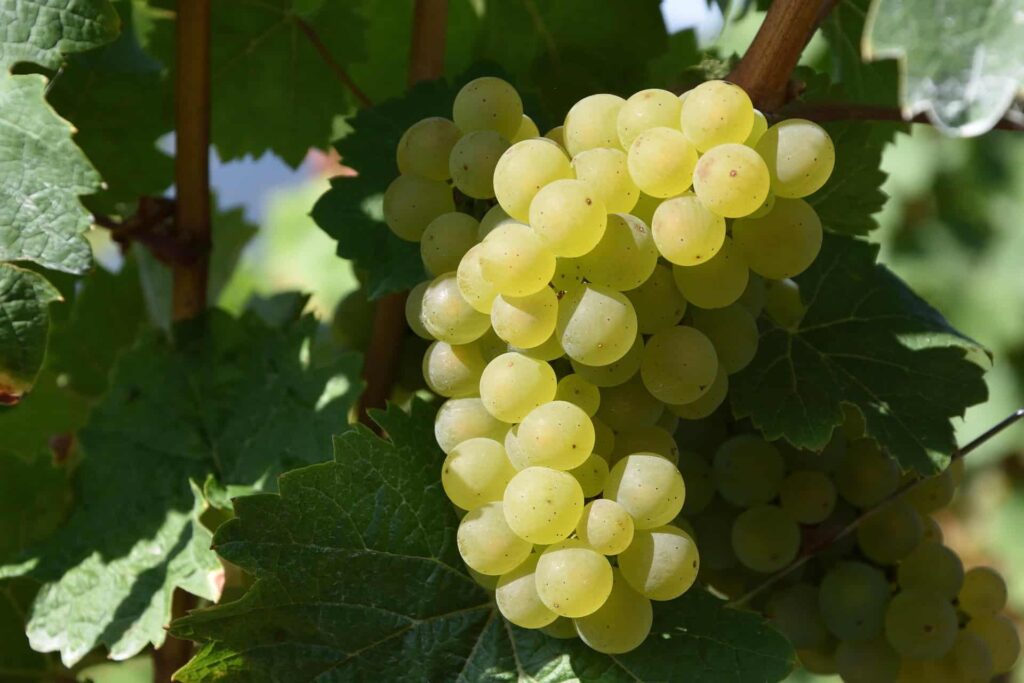
When opening a chilled and fresh bottle of wine in the evening, few people ask themselves how white wine is actually made. Yes, we've all seen the vast vineyards, we've heard about the importance of fermentation, and many even recognize the nuances of each variety, but why stop there? Let's look at the really important part of the question—how white wine is made. That way, we will appreciate every next sip even more and be able to truly enjoy it.
This rule is the main distinction between the production of white and red wine, right? Red wines are created by “drinking in” treasures from the grape skins during fermentation. Whites, on the other hand, have minimal contact with them.
White wine usually does not ferment with the grape skins, so as to preserve its light color, delicate aromas, and fresh taste. Separating the juice as quickly as possible prevents the extraction of tannins, bitter compounds, and yellow phenolic pigments found in the skins, which should not be present in white wines.
Grape skins contain many tannins which create a coarse, bitter texture suitable for red wines, but not for the light, fresh profile of white wine. The inside of most grape varieties is colorless and quick skin removal prevents the juice from darkening.
White must is obtained from white grapes which are pressed and squeezed to get a juice with excellent properties and high antioxidant value. The resulting juice provides a long list of health benefits.
Yes, it is possible to make white wine from red grapes! The key is separating the juice from the skins. This has to happen right after crushing, as the color of red grapes comes from the skins, while the juice inside is almost entirely clear. This style is often called Blanc de Noirs, or in translation, “white from black.”
To keep the wine's color when producing white wine from red grapes, the red variety is pressed carefully but quickly, ensuring that the juice has no contact with the skins, which would otherwise make it pink or red. Many white champagnes are made entirely or partly from red grapes such as Pinot Noir and Pinot Meunier. Though white in appearance, these wines often have subtle notes of red fruit (like raspberry or cherry), but lack the heavy tannins of red wine. Pinot Noir is often used for this technique because of its thinner skins.
The need for fast pressing is precisely to prevent the transfer of color. Fermentation of white wine usually occurs at lower temperatures to preserve delicate aromas.
White wine is made after harvesting white or red grapes, pressing them quickly to separate the juice from the skins, and fermenting it at low temperatures. The process focuses on avoiding contact with the skins to preserve the light color and delicate, fruity flavors.
After the grapes have ripened, harvesting follows. Winemakers decide whether to pick the crop by hand or machine, which ultimately affects the price and quality of the resulting wine.
Free-run is high-quality wine or must obtained by the natural flow of grape juice from a vessel or press, without applying mechanical pressure. It is separated before the main pressing, distinguished by finer tannins and higher purity as it does not contain pomace. This method provides superior fruit flavor and aroma.
Perhaps the most fun part of winemaking? Crushing it! After harvesting and checking for quality, some winemakers use the old-fashioned way of crushing grapes by foot and hand. Others rely on new technology and choose to complete this step using special machines.
After pressing, the grape juice is cooled and left to rest for a certain time, so that solid particles settle on the bottom. This process, known as clarification, allows the separation of the clear juice from the sediment and is key in achieving a fine taste and crystal-clear color of the wine. In some cases, natural or technological clarifying agents are also used to help quicker and more efficient settling.
The next step is fermentation. This is the moment when the grape juice is placed in stainless steel tanks or oak barrels, in which it matures. It is precisely there that the sugar turns into alcohol.
Fermentation of white wine usually lasts two to four weeks at a low temperature of 12–22 degrees Celsius, so delicate aromas can develop. But how is the required fermentation vessel for white wine determined? It depends on the variety of the wine.
When we talk about Sauvignon Blanc, its characteristics are thanks to fermentation in stainless steel vessels. They preserve the distinctive qualities of the juice as well as its fresh flavors. The material of the fermentation tank provides an environment that prevents unwanted oxidation and does not impart external flavors to the wine, as often happens with aging in oak barrels.
Chardonnay, on the other hand, often ferments in oak barrels. They enhance its taste and add notes of various spices. This creates a richer and more complex taste, immediately felt when you take a sip.
It is precisely these technologies that define the delicate character of every white wine — from fresh varieties to more full-bodied, aged versions.
The French winemaking technique that uses stirring of the yeast back into the wine during the maturation process is called bâtonnage. The name translates as “stirring the lees.” The term originates from the French word bâton, meaning “stick,” and refers to the tool traditionally used to stir the wine in the barrel.
This process is crucial for creating a richer and more complex wine, especially for white wine varieties matured in oak barrels. For example, when we talk about Chardonnay, its production technology is just such. Bâtonnage changes the texture and aroma of the wine, making it fuller and more aromatic.
No matter how it is made, a truly good bottle of white wine can enchant any connoisseur. This is exactly what we at Katarzyna Estate strive for. Our vineyards are located high in the Rhodope Mountains, very close to our southern neighbor Greece. An interesting fact is that they are at the same altitude as some of the world’s most popular wine regions.
But what sets us apart from all the rest? That is the terroir. The combination of the specific environment for grape cultivation, including soil, climate, and topography. Of course, we must not forget the people who care for the land and the vineyards. These are the true heroes who turn wine into a precious elixir that proudly bears the name Katarzyna Estate.
If you are a connoisseur of good white wine and know what you’re looking for when picking a new bottle, it means you have already built your preferences for the drink. So, how do you pick the right wine based on its method of production?
As we already mentioned, Sauvignon Blanc often ferments in stainless steel vessels. This helps it retain the characteristics of the grape, the aromas, and the fresh flavors.
On the other hand, when we talk about Chardonnay, its production technology often involves fermentation in oak barrels. It is well known that this process brings added flavors and aromas, creating a richer sensation when sipping.
So, which wine is more suitable for you? That depends entirely on your personal preferences for the drink and its pairing. Light and dry wines like Sauvignon Blanc and Pinot Grigio, are refreshing and suitable for afternoon relaxation, fruit, and casual conversations. Bolder varieties, aged in oak barrels, pair well with richer dishes and long evenings shared with friends.
Unlike with white wine, in rosé production maceration plays a key role—learn more in the article how is rosé wine made.
Not all white wines need to age. Most are meant to be enjoyed young, but some high-quality varieties can develop nicely over time.
White wine is lighter because it is made without contact with the skins of the grape, while rosé has brief contact with them and so acquires more color.
When we call a wine “dry,” it means that there is almost no residual sugar in it. It has been fully fermented into alcohol.
These aromas usually come after the aging process in oak barrels. They often change the flavor profile of the drink and make it more distinctive.
“Free-run juice” is the juice released from grapes without pressing—it is the purest, and for that reason is considered the highest quality.
The light bubbles are usually due to residual carbon dioxide from fermentation that hasn't been completely released.
Yeasts convert sugar into alcohol during fermentation and also contribute to the aromas and structure of the wine.
It is achieved through clarification and filtration, which remove solid particles and sediment.