
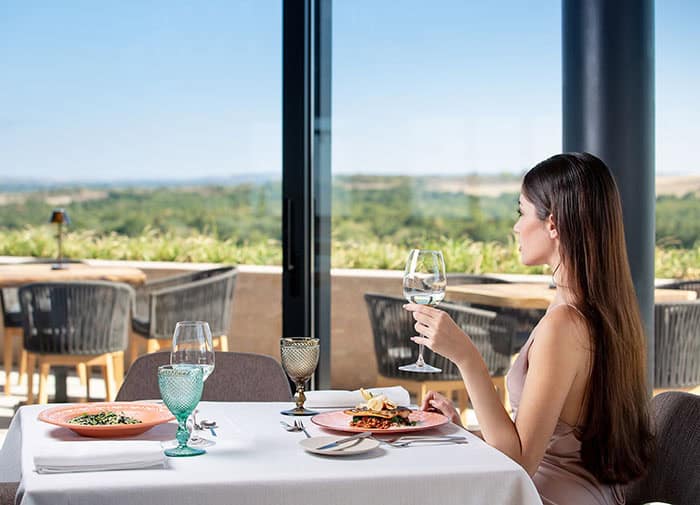
Summer is often associated precisely with white wine. There is nothing more refreshing than a well-chilled glass of this beverage on a hot and sunny day. Nevertheless, to truly experience the wine's character, it's important to know the basic rules for serving white wine. Small details, such as temperature, choosing the right glass, or how you store white wine, can change its taste much more than you might expect.
Let’s take a look together at practical guidelines and tips to help you get the most aromas and flavors out of every opened bottle.
One of the most common mistakes when serving white wine is a temperature that is too low. Many people think the colder the wine, the better. The truth is, over-chilling "closes off" the aromas and makes the flavor more bland.
Light and fresh wines—such as Sauvignon Blanc or Pinot Grigio—are best enjoyed at around 7–9°C. At this temperature, white wine their freshness, acidity, and fruity notes are preserved.
Fuller-bodied wines, especially those aged in oak, like Chardonnay, require a slightly higher temperature—about 10–13°C. This helps reveal deeper aromas such as vanilla, butter, and nuts.
If you take the bottle straight from the fridge, let it sit for 5–10 minutes at room temperature. This short wait can make a huge difference.
Choosing the right glass for white wine is often underestimated, but it directly affects the taste and aroma.
White wine glasses are usually smaller and have a narrower rim compared to those for red wine. The reason is simple—white wine does not need as much contact with air. The more compact shape helps preserve fresh aromas and keeps the temperature lower for longer in the glass.
This is why the glass for white is designed just so:
If you don't have special wine glasses, choose smaller and thinner-walled options. This is a good enough compromise for everyday use.
Proper storage of white wine is crucial, especially in summer. High temperatures can quickly deteriorate the quality of the beverage and make its aromas unrecognizable.
If you don’t have a wine cooler on hand, the best place is the refrigerator. However, it's important not to keep the wine there for too long, especially if it’s of higher quality. Constant low temperatures can affect the structure of white wine. During heat waves, do not put warm bottles directly into a cold fridge, as these temperature fluctuations can quickly spoil the wine.
Store white wine in summer in a cool and dark place with a constant temperature (11–14°C), away from direct sunlight, such as a low cabinet, pantry, or cellar, to avoid heat damage and rapid oxidation. Keep the bottles horizontal to keep the corks moist. Temperature fluctuations are just as harmful as high temperatures.
An already opened bottle should be tightly sealed and kept in the fridge. It's best to consume it within 2–3 days of opening to preserve its freshness.
If you plan to drink wine outdoors, use a bucket with ice and water. This maintains a stable temperature for your white wine for a longer time.
Decanting is usually associated with red wine, but in some cases it is also suitable for white. It can be helpful for complex, full-bodied, or aged wines to open up their aromas and soften their acidity.
For young and fresh wines, decanting is hardly necessary. They are made to be consumed immediately and do not need additional aeration.
For more complex wines, especially those that have been aged in oak, decanting can help. It allows the aromas to "open up" and express themselves better.
Also, if the wine has sediment (rare, but possible with some styles), decanting helps separate it.
It’s important for the process to be short—10 to 20 minutes is plenty. Too much exposure to air can result in loss of freshness. Use smaller, pre-chilled decanters for white wine to keep the temperature down, and pour gently and slowly.
Summer is the perfect season to experiment and discover what you like the most. Whether you prefer light and fresh wines or richer, more complex styles, the right approach will help you enjoy every sip in the best possible way.
Ако искате да откриете нови вкусове и аромати и да изненадате сетивата си, разгледайте нашата категория “Бяло вино”, където ще намерите разнообразие от стилове и сортове. Ние от Katarzyna Estate сме ви приготвили емоции, запечатани в бутилка, които да бъдат до вас през предстоящото лято. Независимо дали търсите по-леки вкусове, или пък нещо доказало се във времето, при нас ще намерите всичко необходимо.
If you're curious how it all begins, you can also read “How is White Wine Made” to learn about the process from start to finish.
Serving white wine well doesn’t require complicated rules, just attention to detail. The right white wine temperature, the right white wine glass, and good storage can completely change your experience.