
Entertainment

Relax and let carefree moments take over. Around our estate, there are plenty of experiences waiting to bring you smiles, new friendships, and shared memories.
Here everyone can find something interesting, whether they are a fan of long walks, art, history, cuisine, or sports. We recommend visiting the Mustafa Pasha Bridge, the Mezek Thracian Tomb, Mezek Fortress, the stone bridge over the Biserska River, and the Matochina Fortress Bukelon.
You don’t need to plan—just explore what we’ve prepared for you and have fun.
Mustafa Pasha Bridge
Mustafa Pasha Bridge, also known as the Old Bridge, is a road bridge crossing the Maritsa River near Svilengrad. It features a stone masonry structure consisting of 20 arches, with the largest span measuring 18 meters. The bridge is 6 meters wide and has a total length of 300 meters. Built in 1529, it is the work of the Ottoman architect Mimar Sinan. The bridge is part of a waqf complex that also includes a caravanserai, a mosque, a marketplace, and a hammam, all funded by the sultan’s vizier, Damad Mustafa Pasha. Later, the town of Mustafa Pasha, now known as Svilengrad, developed around the complex.
The Mezek Tomb
The Mezek Thracian Tomb, located east of the village of Mezek (Haskovo region) on the Meltepe Hill, is one of the most impressive and colossal monuments of Thracian culture in Bulgaria. This exceptional archaeological site, hidden beneath a large mound, is believed to date back to the 4th–3rd century BCE. The tomb is remarkable for being entirely preserved in its original form, showcasing an impressive Mycenaean-type (or beehive-shaped) dome. It was constructed with precisely arranged large, well-crafted stone blocks, without the use of mortar.
The entrance to the interior leads through a long corridor, known as a dromos, which opens into an antechamber. From the antechamber, one enters the central circular burial chamber. Two stone beds were discovered here, likely used for the bodies of the buried aristocrats. Research indicates that the tomb was used repeatedly, including for secondary burials during the later Roman period. Archaeologists have identified traces of a total of six burials within the complex, with evidence showing that the remains of a woman were placed in the antechamber. The Mezek Tomb is also renowned for its rich finds, including large quantities of objects made of gold, bronze, iron, glass, and ceramics, reflecting the high level of Thracian craftsmanship and cultural exchange.
During the archaeological excavations, many objects were discovered, including gold jewelry, vessels, and weapons, which demonstrate the wealth and high social status of the people buried there. Today, the Mezek Tomb is a popular tourist destination and an important source of information about the life and traditions of the ancient Thracians.
Mezek Fortress
The medieval fortress near the village of Mezek, historically also known as Neutzikon, is one of the most impressive and remarkably well-preserved fortifications in the Bulgarian lands. Built on a strategically high hill above the village and the Maritsa River valley in the Haskovo region, it served as a key border post.
The fortress was built at the end of the 11th or the beginning of the 12th century, during the reign of the Byzantine Emperor Alexios I Komnenos, with its main function being to guard the important roads passing through the Rhodope Mountains directly to the imperial capital, Constantinople. It served as an active defensive structure until the fall of Bulgaria under Ottoman rule at the end of the 14th century.
Architecturally, the fortress has the shape of an irregular quadrangle and occupies an area of about 6.5 decares. Its massive stone defensive walls, bonded with homogeneous mortar, are reinforced by nine massive two-story towers equipped with internal staircases and precisely crafted embrasures. These details, along with the shaped entrances in the towers, demonstrate the high level of Byzantine military architecture. The interior of the fortress was built up with warehouses for weapons, food supplies, and residential buildings for the garrison. Today, Mezek Fortress is a popular tourist attraction, drawing visitors with its impressive architecture and panoramic views of the surrounding area.
Eco-trail


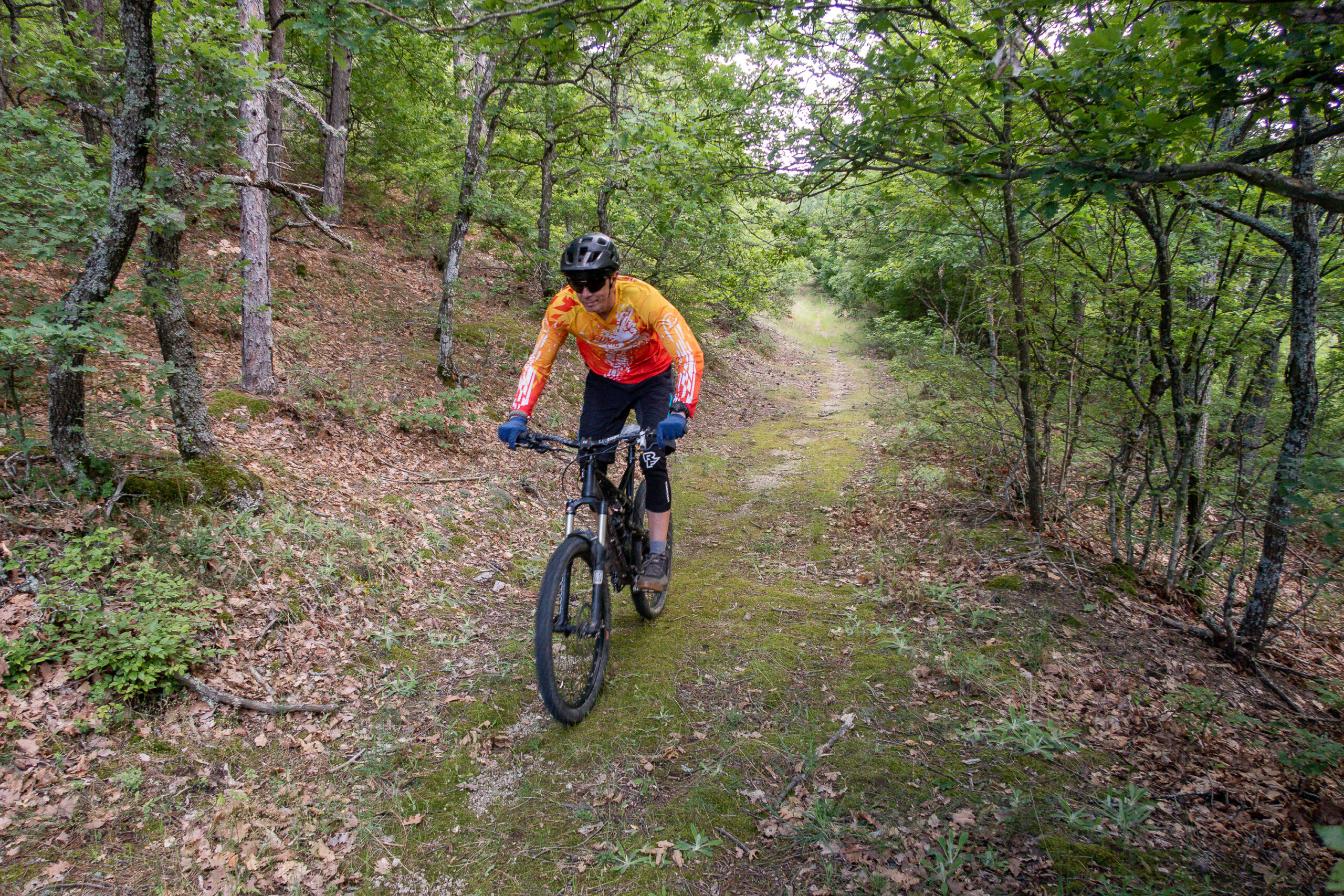

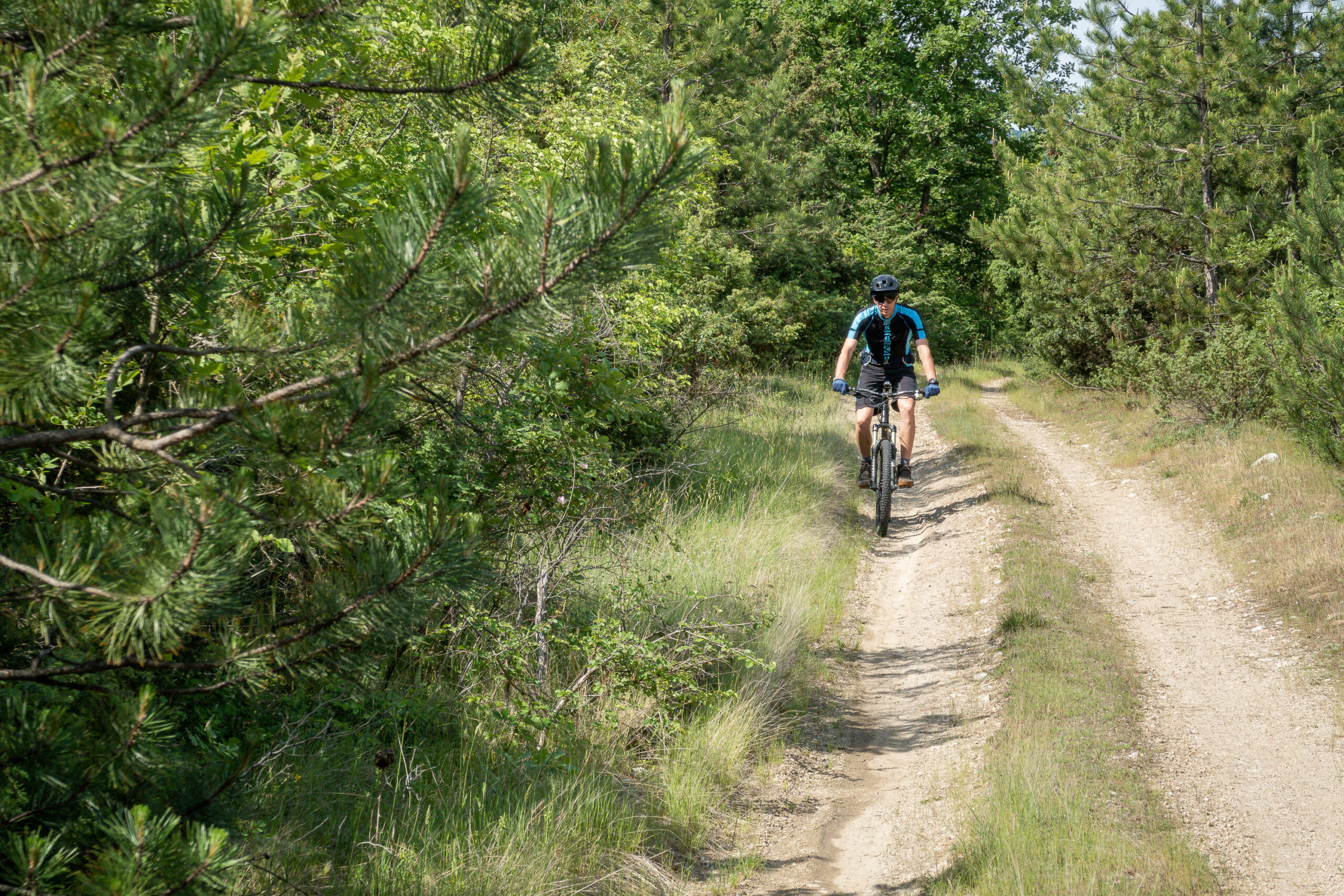


From the estate of the winery, several cycling routes wind through different plots of white and red grape varieties. Beyond the vineyards, gentle mountain trails await those who wish to truly experience the beauty of the region. Feel the freedom!
Discover the beauty of nature around Katarzyna Hotel with our eco-trail walking suggestions:
- ATV Tour – €50 / hour
- Bike Tour – €10 / hour
- Minibus Tour – €20 / person
Matochin Fortress “Bukelon”
Where history meets the border
Discover one of the most impressive and mysterious medieval fortresses in Southeastern Europe – Bukelon Fortress,majestically situated on a hill near the village of Matochina, just a few kilometers from the Bulgarian–Turkish border.
This ancient wall is not just a monument – it is a guardian of turbulent historical events. Here, in the area near Bukelon, the decisive Battle of Adrianople took place in 1205. The Bulgarian Tsar Kaloyan dealt a crushing defeat to the Latin Empire and captured its emperor, Baldwin I of Flanders. Legend has it that the captured emperor spent his first night as a prisoner right here, in the watchtower of Bukelon, before being taken to Tarnovo.
Today, Bukelon is one of the best-preserved Bulgarian fortresses from this period. Its impressive 18-meter watchtower rises alone against the sky, as if still on guard for approaching armies. Visitors can walk among the ruins, feel the weight of the centuries, and enjoy a breathtaking panorama stretching across the endless landscapes of the Strandzha and Sakar mountains, all the way to the horizon of Turkey.